
UK Casino Sites That Accept Credit Cards: The Rules
 Available in GB
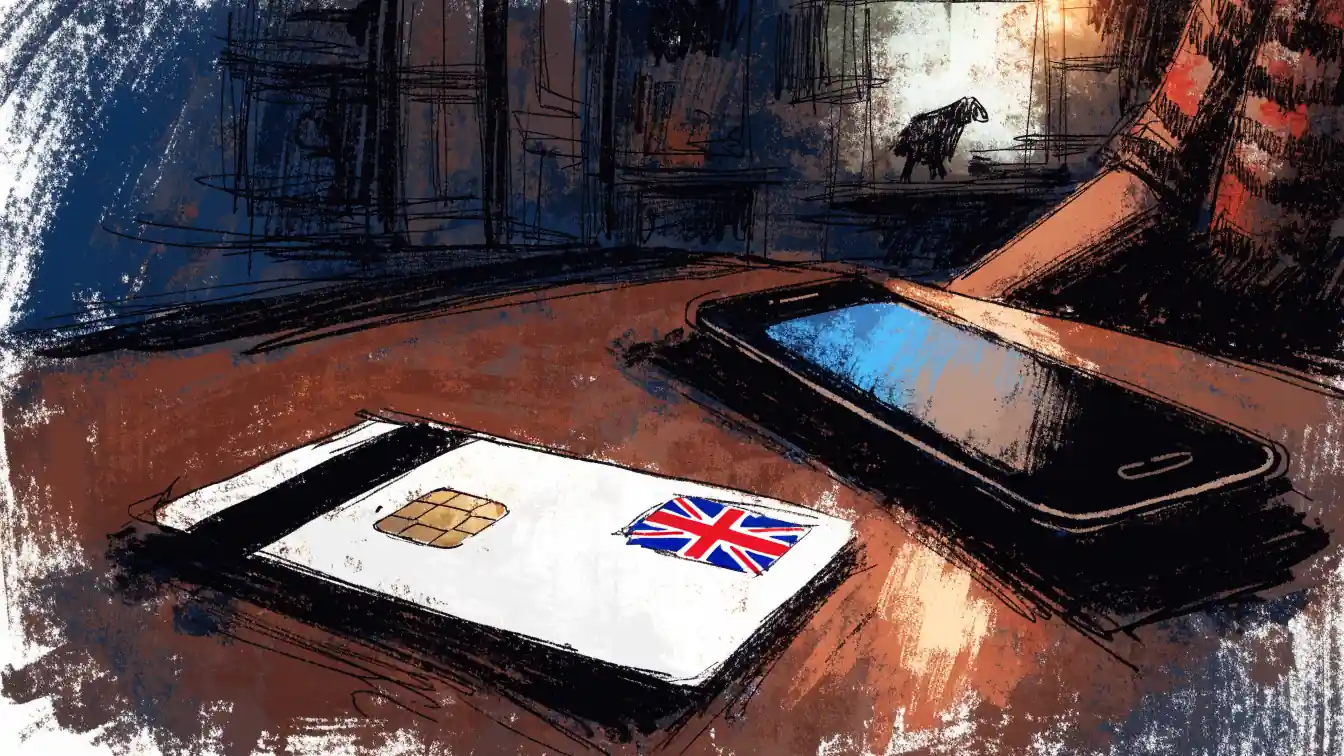
The UK ban applies to credit-card payments into gambling accounts, while other payment methods have their own deposit and withdrawal processes.
Why UK-Licensed Casinos Do Not Accept Credit Cards
Credit cards are not permitted for gambling at UK-licensed casinos. The restriction applies to credit-card payments made directly to a gambling account and forms part of the conditions governing remote gambling licensees serving Great Britain. Consequently, a casino operating legally under a UK Gambling Commission licence cannot accept a credit card as a gambling deposit method.
The rule took effect on 14 April 2020. It was introduced as a regulatory measure intended to prevent gambling expenditure from being funded through borrowed money. The policy treats the source of the funds as significant: money available through a credit facility is different from money already held in a current account or on a prepaid balance. The ban therefore concerns the payment method, rather than the casino game itself.
The position has not subsequently been relaxed. A UK-licensed casino cannot lawfully restore credit-card deposits simply because a particular card issuer, payment processor or cashier appears technically able to process the transaction. Payment functionality must comply with the requirements applying to the licence. If a card is a credit product, it cannot be used to fund gambling at a UK-licensed remote casino.
UK Casino Sites That Accept EcoPayz Payments
What the ban covers
The restriction is broader than a rule against entering a credit-card number directly into a casino cashier. Remote gambling licensees cannot accept credit-card payments for gambling, including credit-card funding routed through a money service business. The route used to move the money does not change its underlying character. An indirect payment structure cannot turn prohibited credit funding into an acceptable deposit.
The same principle applies to electronic wallets where the wallet permits credit-card funds to be used for gambling. A wallet is not a compliant workaround if its balance was funded with a credit card for that purpose. UK requirements prevent operators from accepting such wallet payments where the wallet enables credit-card funding to reach gambling activity.
This distinction matters because the appearance of a payment logo does not, by itself, determine whether a transaction is permitted. The relevant question is how the money is funded and whether the payment route is allowed under the rules for UK-licensed gambling. A method that can be used for ordinary online purchases may still be unavailable for a gambling deposit when its source is borrowed credit.
Casino Payments: UK Deposit and Withdrawal Methods
Why the restriction applies to UK-licensed casinos
The ban is part of the regulatory framework for licensed gambling rather than a voluntary policy adopted by individual casino brands. Remote gambling operators selling into the British market must hold the relevant Gambling Commission licence, regardless of where the business is based. That licence carries obligations concerning payment processing, customer protection and responsible gambling.
The credit-card rule gives those obligations a clear boundary. A casino may decide which permitted payment methods to support, but it cannot decide to accept a prohibited funding source as a matter of commercial preference. The cashier, terms and customer-support statements should therefore reflect the legal restriction rather than present credit-card deposits as an available feature.
This does not mean that every payment branded as a “card” has the same status. A debit card uses funds held in an account rather than a credit facility, although the exact product and its eligibility still matter. Credit cards and debit cards are distinct payment instruments, and the 2020 restriction is directed at credit-card payments for gambling. Treating all card products as interchangeable can produce an inaccurate description of what a UK-licensed casino may accept.
Why the date still matters
The date of 14 April 2020 identifies when the UK gambling credit-card ban became effective. It is not merely a historical detail. Older articles, archived payment pages and overseas casino information may describe arrangements that do not represent the current position for a UK-licensed casino. Material published before the ban, or written for another jurisdiction, cannot establish that credit-card gambling is currently permitted in Britain.
The rule remains in force. Accordingly, a statement that a casino “accepts credit cards” should not be read as evidence that a UK-licensed operator accepts them for gambling deposits. It may refer to a different market, an outdated page, a debit-card product, or a payment service whose funding conditions require closer examination. None of those possibilities overrides the prohibition on credit-card payments for gambling.
UK Credit Card Ban Prohibited for gambling deposits since 14 April 2020
Permitted Alternative Debit cards (Visa/Mastercard) are the primary compliant method
Regulatory Authority UK Gambling Commission
What this means for the phrase “credit card casino”
The expression “credit card casino” can describe a subject of interest without describing a lawful payment option at a UK-licensed site. It may refer to historical information, an offshore operator, a general payment comparison, or confusion between credit and debit cards. The wording alone does not determine the regulatory status of the operator or the source of the money.
For the UK market, the decisive point is narrower and more precise: UK-licensed casinos do not accept credit cards for gambling, and the ban has not been relaxed since it took effect. Any assessment of a payment route must therefore begin with that legal position, rather than with the label attached to a casino or a payment page.
Our top casino picks for the UK
- AmunbetBonus: Join now and get 450% up to 2,700 GBP + 450 FS · Payout speed: 1-3 business days
- DieselwinBonus: Welcome Pack 250% up to £4000 + 200 FS · Payout speed: 1-3 business days
- EvoSpinBonus: 125% up to €2500 + 125 Free Spins · Payout speed: 1-3 business days
- WinBeastBonus: €5000 + 500 FS + €650 Freebet · Payout speed: 1-3 business days
- ZombillionBonus: Welcome Pack 250% up to £4000 + 200 FS · Payout speed: 1-3 business days
- BritsinoBonus: Welcome Package – Get your £2,200 + 2,000 FS · Payout speed: 1-3 business days
What “Credit Card Casino” Searches Mean in the UK
The phrase “credit card casino” can describe several different things, but it does not establish that a UK-licensed casino accepts credit-card deposits. In the British market, the wording may refer to a casino page that discusses card payments, a comparison article using broad payment terminology, or an older page that no longer reflects the cashier. The relevant question is not how a site is described in a heading, but which payment instruments are available to a verified customer at the point of deposit.
Casinos That Accept Upaycard in the UK: What to Check
This distinction matters because payment information can appear in several places. A website may display Visa and Mastercard logos in a general payment section, in a footer, or in promotional material. Those marks identify card networks, not necessarily every card product that can be used for gambling. They may also remain visible after payment arrangements have changed, or apply only to particular jurisdictions, currencies, or account conditions.
A current cashier is therefore more informative than a search result or a general payment logo. The cashier shows the methods enabled for the account and the transaction being attempted. It is also where card eligibility can be affected by the product type, the issuing bank, the customer’s location, or the operator’s current payment controls. A specialist review can help identify the payment brands associated with a site, but it cannot replace the operator’s live cashier for determining whether a particular card is eligible.
DO
- Use a debit card for deposits and withdrawals
- Check the live cashier for current payment methods
- Ensure account details match the payment instrument
DON’T
- Attempt to use a credit card for gambling deposits
- Rely on payment logos as proof of eligibility
- Assume a deposit-only method works for withdrawals
Why Visa and Mastercard labels need interpretation
Visa and Mastercard are payment networks rather than a single uniform category of card. A debit card and a credit card may carry the same network branding while being subject to different gambling-payment rules. A site that mentions Visa or Mastercard may therefore be referring to debit-card payments, not permission to fund gambling with a credit card.
The same issue applies to a page that uses broad wording such as “card deposits”. That expression does not, by itself, identify whether the accepted instrument is a debit card, a prepaid card, or another card product. It is insufficient evidence that a credit card can be used. The precise card type must be established in the cashier and, where relevant, through the payment provider or issuing bank.
This is why a list of payment logos should be treated as an initial description rather than a transaction instruction. The decisive information is the combination of:
- the card type;
- the country and account used;
- the payment option currently offered in the cashier;
- any eligibility conditions shown before confirmation; and
- the operator’s rules for gambling payments.
The presence of a familiar logo does not override those conditions.
What “accepts cards” can mean
Card-related wording can have a narrower meaning than it first appears. A casino may accept debit cards while not accepting credit cards. It may show a network logo because the network is supported for one payment route, while the customer’s particular card is excluded. A card may also be available as an account verification instrument without being available to fund gambling.
The wording can also confuse the casino’s own payment options with a third-party service. A wallet or money service may display card-funding functionality, but that does not create a permitted route for credit-card gambling where the underlying funds originate from a credit card. The relevant issue is the source and nature of the funds, not merely the screen through which the payment is sent.
For that reason, terms such as “card-friendly” or “card casino” are too imprecise to establish eligibility. They may be used editorially to group sites by payment convenience, even when the live options are limited to debit cards or other permitted methods. Such labels should not be read as confirmation that credit-card deposits are available at UK-licensed casinos.
Casinos That Accept eChecks in the UK: Payment Guide
How to read a casino payment page
A payment page can provide useful information when its wording is read narrowly. A clear distinction should be made between a payment method being listed, a payment method being available for deposits, and a payment method being available for the specific account. Those are separate states.
The first is a general statement about the operator’s payment infrastructure. The second concerns the direction of the transaction: some methods are deposit-only, while others may also be used for withdrawals. The third concerns the individual account and the current cashier. Eligibility can change as an operator updates its payment arrangements or applies account-level checks.
The most reliable sequence is therefore:
- identify whether the page refers to debit cards, credit cards, or cards generally;
- open the cashier rather than relying on a logo or article description;
- check the payment option shown for the account and intended transaction;
- read any condition attached to the method before entering payment details; and
- confirm that the route is compatible with the applicable UK gambling-payment rules.
This process does not turn a broad payment claim into a guarantee. It simply separates a general description from the information that controls the transaction.
Why old or general descriptions can mislead
Payment arrangements are not fixed features of a casino’s brand. An operator can change a provider, remove a card route, or restrict a method to particular customers. A review may remain online after those changes. Search results can also combine information from different periods, making an old reference appear current.
A general site page may be accurate in one respect and still be unsuitable for a specific deposit. For example, it may correctly name Visa and Mastercard as payment networks while leaving unresolved whether a UK customer can use a particular card product. That unresolved point is precisely why the cashier has greater evidential value than a summary page.
The same caution applies to claims that a casino is among the “best” card sites. Such a description may reflect the range of payment brands shown, the design of the cashier, or the writer’s assessment of convenience. It does not prove that credit-card deposits are permitted. A payment claim should be assessed by its precise wording and current transaction conditions, not by a ranking label.
The role of account and card details
Payment eligibility is also connected with account information. The name and payment details used for a transaction should correspond to the same customer. A consistent account and payment route reduces the likelihood that basic ownership information creates avoidable friction during a transaction. It does not change the legal classification of a card or make an ineligible instrument acceptable.
This distinction is important where a customer searches for a casino offering credit-card deposits but finds a page listing several card brands. The relevant checks remain separate:
- whether the account belongs to the customer making the payment;
- whether the card product is permitted for gambling;
- whether the cashier currently offers that route; and
- whether the transaction can proceed under the operator’s payment controls.
Passing one of these checks does not imply that the others have been passed.
“Not on GamStop” does not change card eligibility
Some searches combine payment language with a request for a casino outside GamStop. That combination does not make a credit card eligible for gambling deposits. A platform’s status in relation to a self-exclusion scheme and its payment arrangements are separate matters.
A casino that is not part of a particular self-exclusion arrangement is not thereby authorised to accept credit-card payments from UK customers. Nor does a payment page outside the usual UK presentation establish that a transaction is permitted at a UK-licensed casino. Payment eligibility must still be assessed by reference to the operator, the account, the payment instrument, and the applicable regulatory framework.
The same separation applies to searches for alternatives. An alternative payment route may refer to a debit card or another permitted method, but it should not be described as a credit-card substitute unless its operation is clearly identified. The fact that a payment provider accepts card funding in another context does not establish that credit-card funds may be used for gambling.
A practical reading of the phrase
In practical terms, a search for UK casinos associated with credit cards may be looking for one of three things: a site that accepts debit cards, a casino with a broad card-payment description, or a current cashier showing an eligible card route. These possibilities should not be treated as interchangeable.
The safest interpretation is narrow. Visa and Mastercard references indicate that those networks are mentioned in the operator’s payment information; they do not, on their own, confirm that a credit card can fund gambling. Current UK availability and the eligibility of the particular card product must be checked in the cashier. Where the cashier does not offer the relevant route, a general page or external review cannot supply that permission.
The Decisive Point
UK-licensed casinos cannot accept credit card deposits for gambling.
This approach also explains why the wording “casino sites that accept credit card UK 2026” can produce results that appear more direct than the underlying payment position. The phrase describes an intended payment outcome, while the operator’s cashier determines the available transaction route. The two should not be assumed to match.
Depositing and Withdrawing Without a Credit Card
The absence of credit-card funding does not remove the need to distinguish carefully between payment methods. A casino cashier may show several routes, but they do not all perform the same function. Some can be used to place a deposit and receive a withdrawal; others are deposit-only. Availability also depends on the individual remote gambling licensee, the account, the payment provider and the cashier displayed at the time of the transaction.
Debit cards
Debit cards are the most direct alternative to a prohibited credit-card deposit. UK casinos commonly list Visa and Mastercard debit cards among their payment options. A debit-card deposit draws on money already held in the associated bank account rather than extending credit.
The presence of a Visa or Mastercard symbol is not, by itself, confirmation that every card product is eligible. Card availability can change, and the cashier is the relevant place to check whether the particular card and transaction are accepted. The same check should establish whether the method is available for withdrawals, rather than assuming that a route shown under “deposit” also works in the opposite direction.
A debit card can therefore be suitable for both stages, but the practical position is site-specific. Where a casino permits a withdrawal to the card, the payment may still pass through the casino’s approval and verification procedures before the bank receives it.
Casinos That Accept Debit Cards in the UK
Open banking and bank transfer
Open banking connects the payment to a bank account through an authorised banking flow, while a conventional bank transfer moves funds directly between bank accounts. Both can appear in a casino cashier as alternatives to card payments.
A specialist review has described open banking and bank transfers as capable of producing instant deposits and fast withdrawals at many sites. That is an observation about the services covered by that review, not a universal property of every casino or bank. The route, the receiving institution and the casino’s own processing can all affect the transaction.
Bank transfers also have practical dependencies beyond the casino. Cut-off times, weekends and currency conversion can affect when money arrives. An account using pounds sterling may avoid an unnecessary conversion step, but the account currency should be confirmed before the first transaction.
Bank transfer and open banking are not interchangeable in every cashier. One may be available for deposits while the other is absent, or a withdrawal may require a separate bank-account confirmation. The payment screen should therefore be checked in both directions before funds are sent.
E-wallets
E-wallets can separate the casino transaction from the primary bank account, but their treatment differs by provider and operator. PayPal is recognised for speed and convenience, although an affiliate review has reported that it may be excluded from bonus eligibility at the operator discussed. That point should not be extended to every PayPal transaction or every casino: promotion terms need to be read for the specific offer.
E-wallet specifics
While e-wallets like PayPal, Skrill, or Neteller can be used, their eligibility for specific bonuses and their ability to receive withdrawals depends entirely on the individual operator’s terms and the specific service used.
Skrill and Neteller are available at some sites. A specialist review has also noted that these wallets may be excluded from promotions at the operators it assessed. Their presence in a cashier does not establish that a particular bonus applies when one of them is used. The terms for the relevant promotion should be considered separately from the payment method itself.
The payment route should remain in the account holder’s name. Using account information and a payment instrument belonging to the same customer reduces the possibility that basic ownership checks will interrupt a transaction. It does not remove KYC requirements or guarantee approval.
Deposit-only routes
Paysafecard is a prepaid voucher intended for deposits only. It should not be presented as a complete deposit-and-withdrawal solution: a separate route may be required to receive a payout. This distinction matters because a cashier can list a method prominently for adding funds without offering it as a destination for withdrawals.
Other payment methods can have similar restrictions at individual sites. The relevant question is not simply whether a logo appears among the deposit icons, but whether the cashier lists the same method under withdrawals and whether the account is eligible to use it for that purpose.
Less common electronic methods
Payment availability is not uniform across UK-facing casino sites. Jeton is still listed by a small number of UK online casinos in 2026, but its limited presence makes it unsuitable as a general assumption about the market. Skrill, by contrast, remains one of the more frequently listed deposit methods at UK-friendly casino sites in 2026, although availability and promotional treatment remain operator-specific.
Casino Sites That Accept Skrill in the UK
Some UKGC-licensed casinos also accept Apple Pay for deposits. That does not establish that Apple Pay can receive withdrawals. It is necessary to check the cashier’s withdrawal section and the relevant terms before treating it as a two-way method.
Bitcoin and other cryptocurrency options, where displayed, require the same separate check for deposit and withdrawal support.
How the withdrawal route is determined
UK anti-money-laundering controls generally require a payout to return to the original payment source. This is one reason a deposit method cannot be chosen solely for the speed or appearance of the deposit screen. A site may first attempt to return funds to the card, bank account or wallet used to fund the account, subject to its procedures and the provider’s capabilities.
This is often described through closed-loop rules. If the original route is deposit-only, an alternative withdrawal method may be required, and that alternative can trigger additional verification. Returning funds to the original source is a common anti-fraud and AML control, not merely an interface preference.
Withdrawal processing also contains a casino-controlled stage. The time between requesting a payout and receiving money includes internal approval, and first withdrawals may take longer while verification is completed. A payment method that appears immediate for deposits therefore should not automatically be described as immediate for withdrawals.
A consistent payment identity can reduce avoidable friction: the account holder’s details, the bank account or wallet, and the casino account should correspond. Where the details do not align, the casino may request evidence of ownership or pause the transaction while checks are carried out.
UK anti-money-laundering controls generally require a payout to return to the original payment source, often referred to as closed-loop rules.
A practical comparison
| Method | Deposit position | Withdrawal position |
|---|---|---|
| Visa or Mastercard debit card | Commonly accepted by UK casinos | Must be confirmed in the cashier |
| Open banking | Available at some sites, with a specialist review reporting instant deposits at many sites | May support fast withdrawals at many sites, but depends on the operator and bank |
| Bank transfer | Available at some sites | May support withdrawals; cut-off times, weekends and currency conversion can affect delivery |
| PayPal | Available at some sites | Must be checked separately; promotion eligibility may differ |
| Skrill or Neteller | Available at some sites | Must be checked separately; promotion eligibility may differ |
| Paysafecard | Deposit-only prepaid voucher | Not a withdrawal destination |
| Apple Pay | Accepted for deposits by some UKGC-licensed casinos | Withdrawal support is not established by deposit availability |
| Jeton | Listed by a small number of UK online casinos in 2026 | Separate confirmation is required |
| Bitcoin and other cryptocurrencies | Mentioned among the methods on the analysed websites | Availability and withdrawal support depend on the individual cashier |
The central distinction is between a method that funds the account and one that can also complete the payout. A deposit-only voucher, a wallet excluded from a particular promotion, and a bank-linked route with separate withdrawal conditions each creates a different payment journey. The cashier and the operator’s terms determine which route is actually available for the account in question.
Card Payments, Deposits and Payout Timing
A payment method can be fast in one direction and slow in the other. A card deposit may appear in the casino balance immediately, while a withdrawal can take several business days. The two transactions pass through different checks and should therefore be assessed separately.
Deposits and withdrawals are separate functions
The cashier should show whether a payment method is available for deposits, withdrawals, or both. A card displayed under deposit options is not automatically a payout route. This distinction matters because the payment method used to add funds may not be the method selected for receiving a withdrawal.
Returning funds to the original payment source is a common anti-fraud and anti-money-laundering control. Where that route is unavailable, an alternative payment method may require additional verification before funds are released. The account holder, payment instrument and account details should therefore correspond wherever possible. Consistent ownership information reduces avoidable questions about the transaction.
The practical sequence can look like this:
- A card payment is authorised and the deposit is credited.
- A withdrawal request is submitted separately.
- The remote gambling licensee reviews the request and checks any outstanding KYC requirements.
- The approved payment route determines how the money is delivered and how long that stage takes.
An instant deposit consequently says little about the eventual payout time. It confirms that the funding transaction has been authorised, not that a withdrawal has completed.
Card eligibility must be checked at the point of payment
Visa and Mastercard appear among the card methods listed by casino sites, but availability is not fixed by the logo alone. Current UK eligibility and the particular card product must be confirmed in the cashier. A card issued for a purpose or through a route that is not eligible for gambling payments may be declined even where the brand is displayed.
The cashier can also show which payment methods are active for the account, the available transaction direction, and any applicable conditions. This is more reliable than treating a general payments page as confirmation that a specific card will work. The account currency should also be checked before the first transaction, since a mismatch can introduce conversion costs.
Attention An instant deposit does not guarantee an instant withdrawal; the two processes are subject to different checks and timing.
A debit card should not be confused with a credit card. The UK restriction on credit-card payments for gambling means that a credit facility cannot be used as a substitute merely because the cashier displays a familiar card network. Nor does routing credit through an intermediary make the underlying funding source acceptable. Payment-wallet funding is subject to the same principle where the wallet permits credit-card funds to be used for gambling.
What affects the payout stage
Payout timing depends on more than the card network. Internal approval, account verification and the chosen withdrawal route all influence when money arrives. A first withdrawal may take longer while KYC checks are completed. The casino may also request documents or clarification before approving the transaction, particularly where ownership information does not align.
Payment costs should be considered alongside timing. Possible charges include a casino fee, a payment-provider fee, an issuer or bank fee, a currency-conversion spread, or a network fee. A conversion spread can cost more than a visible flat charge, so the amount received rather than only the advertised fee provides the more useful comparison.
A payment method that accepts deposits but cannot receive withdrawals may create an additional step, not necessarily a faster payout. The relevant comparison is therefore between the full deposit-and-withdrawal route: authorisation, approval, verification, delivery and any associated conversion or processing cost.
Casinos That Accept Wirecard in the UK: Payment Guide
Why Credit Cards Cannot Fund Online Slots
Online slots are covered by the UK restriction on credit-card gambling in the same way as other forms of remote gambling. The restriction concerns the way the gambling account is funded, not whether the account is used for slots, table games, or another casino game. A credit card therefore cannot be used to deposit money for online slot play at a UK-licensed casino.
The prohibition took effect on 14 April 2020. It has not been relaxed. Consequently, searches about using a credit card at a casino, funding online gambling with a card, or playing slots with a credit card all lead to the same practical position for UK-licensed remote gambling: the credit-card payment itself is not permitted.
The funding method is the issue
A slot spin is the gambling activity. The deposit is the financial transaction that makes the balance available for gambling. These are separate parts of the process.
The rule does not make online slots illegal. Online gambling remains lawful in the UK where the remote gambling licensee holds the required Gambling Commission licence and follows the applicable requirements. What cannot be accepted is a credit-card payment for gambling. That distinction matters because “credit-card slots” can sound as though the restriction applies to the game rather than to the payment route.
Summary of Rules
- The credit card ban applies to the funding method, not the specific game being played.
- Indirect funding via money service businesses or wallets does not bypass the restriction.
- Stake limits for slots (e.g., £5 max) are separate from the payment method rules.
- All gambling activities must comply with the regulatory framework established in April 2020.
A customer may therefore play online slots using an available gambling balance funded through an accepted method, but not by putting the deposit on a credit card. The fact that a cashier displays a card logo, or that a card is commonly used for ordinary retail payments, does not establish that the card is eligible for gambling transactions. For UK-licensed casinos, credit-card funding for gambling is excluded.
Why indirect funding does not change the position
The restriction also covers arrangements designed to route credit-card funds through another payment service. A wallet or money service business cannot be used to bypass the rule where the underlying funds come from a credit card and are then used for gambling.
This is relevant to searches for ways to “play slots with a credit card” without entering the card directly in the casino cashier. An indirect route does not turn prohibited funding into an accepted deposit. Where a wallet permits credit-card funds to be used for gambling, remote gambling operators cannot accept that wallet payment for the purpose of funding the account.
The name shown on the payment screen is therefore not the only relevant consideration. The source of the funds and the way the payment service handles them also matter. A separate payment account does not automatically make credit-card-funded gambling acceptable.
What a card logo does and does not show
Payment branding can create uncertainty because Visa and Mastercard may appear among the methods discussed by casino websites. That branding is not enough to determine whether a particular card product may be used for a gambling deposit in the UK. Current availability and product eligibility must be confirmed in the cashier, and the credit-card gambling restriction remains decisive for UK-licensed casinos.
A debit card is not the same payment instrument as a credit card. UK casinos commonly accept debit cards, including Visa and Mastercard, but that does not make the corresponding credit-card products acceptable for gambling. The distinction is between the underlying card type and the logo printed on it.
Casinos That Accept Citadel in the UK: Availability
The same principle applies when a bank account, payment wallet, or other service is linked to a card. The relevant question is not simply whether the payment screen offers a familiar brand. It is whether the transaction would amount to credit-card funding for gambling.
Slots remain subject to separate controls
The ban on credit-card gambling does not remove the other rules that apply to online slots. Legal remote gambling in Great Britain is available through operators licensed by the UK Gambling Commission, and operators must provide responsible gambling controls. New customers must be prompted to set a financial limit before making a first deposit, with account-level limit controls available thereafter.
There are also specific restrictions on slot play. The maximum stake per game cycle is £5 for customers aged 25 and over and £2 for customers aged 18 to 24. The £5 limit for all adults came into effect on 9 April 2025. These stake rules concern the amount staked in a slot game cycle; they do not create an exception for credit-card deposits.
Online slot autoplay is banned in Britain, and online slot spins must last at least 2.5 seconds. Those requirements regulate how slots operate and are played. They should not be confused with the separate prohibition on credit-card payments for gambling.
The practical answer
For a UK-licensed casino, the answer to whether a credit card can fund online slots is no. A credit card cannot be used directly for the deposit, and a wallet or money service business cannot be used to pass credit-card funds into gambling where that arrangement falls within the restriction.
The prohibition applies to the funding transaction rather than to the slot game itself. Online slots may still be offered by a properly licensed remote gambling licensee, but their gambling balance must not be created through credit-card gambling. This remains the position established on 14 April 2020, and the rule has not been relaxed.
Can I use a credit card at 333 Casino in Great Britain?
No. UK-licensed casinos cannot accept credit-card payments for gambling; the ban has been in force since 14 April 2020.
Do UK casino withdrawals require verification?
Yes. First withdrawals may take longer while verification is completed, and payouts are commonly returned to the original payment source.
Are Visa and Mastercard deposits definitely debit cards?
No. Visa and Mastercard can be offered as debit cards, but the card product and its eligibility need to be checked in the casino cashier.
Can I deposit in GBP?
Yes. GBP is supported, but confirm your account currency before depositing to avoid conversion.
What is the current minimum deposit?
The minimum deposit usually starts at £10–£20, depending on the payment method.